
Infrastructure where a release stops being an event
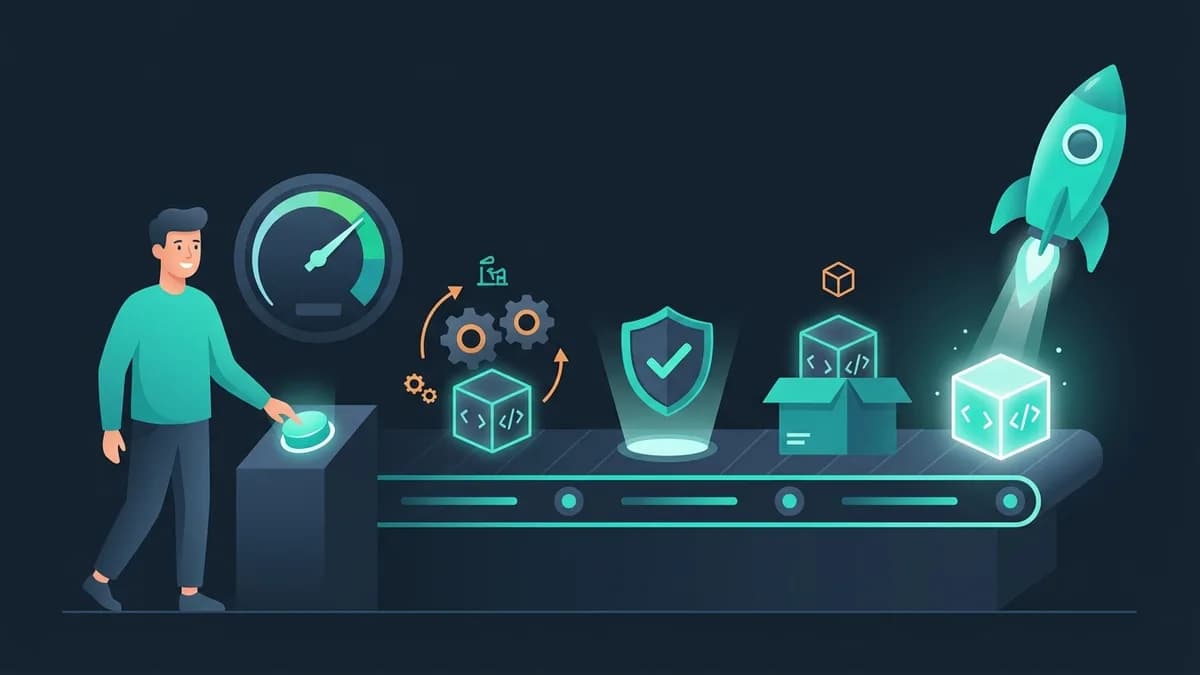
We start for free and without entering your production environment: in 3–5 days we look at how a release gets built, what's monitored and what makes up your cloud bill, and we build a working CI/CD pipeline on a copy of one of your repositories. The report and the pipeline are yours to keep, before any contract. Next comes a baseline setup in production from $4,900 in 2–3 weeks. An advanced setup with Terraform and logging, Kubernetes with high availability and cloud migration fall in the $12–55K range and are done in stages. Price ranges for all our services are on the development pricing page, and what goes into a quote is covered in our article on DevOps for business.
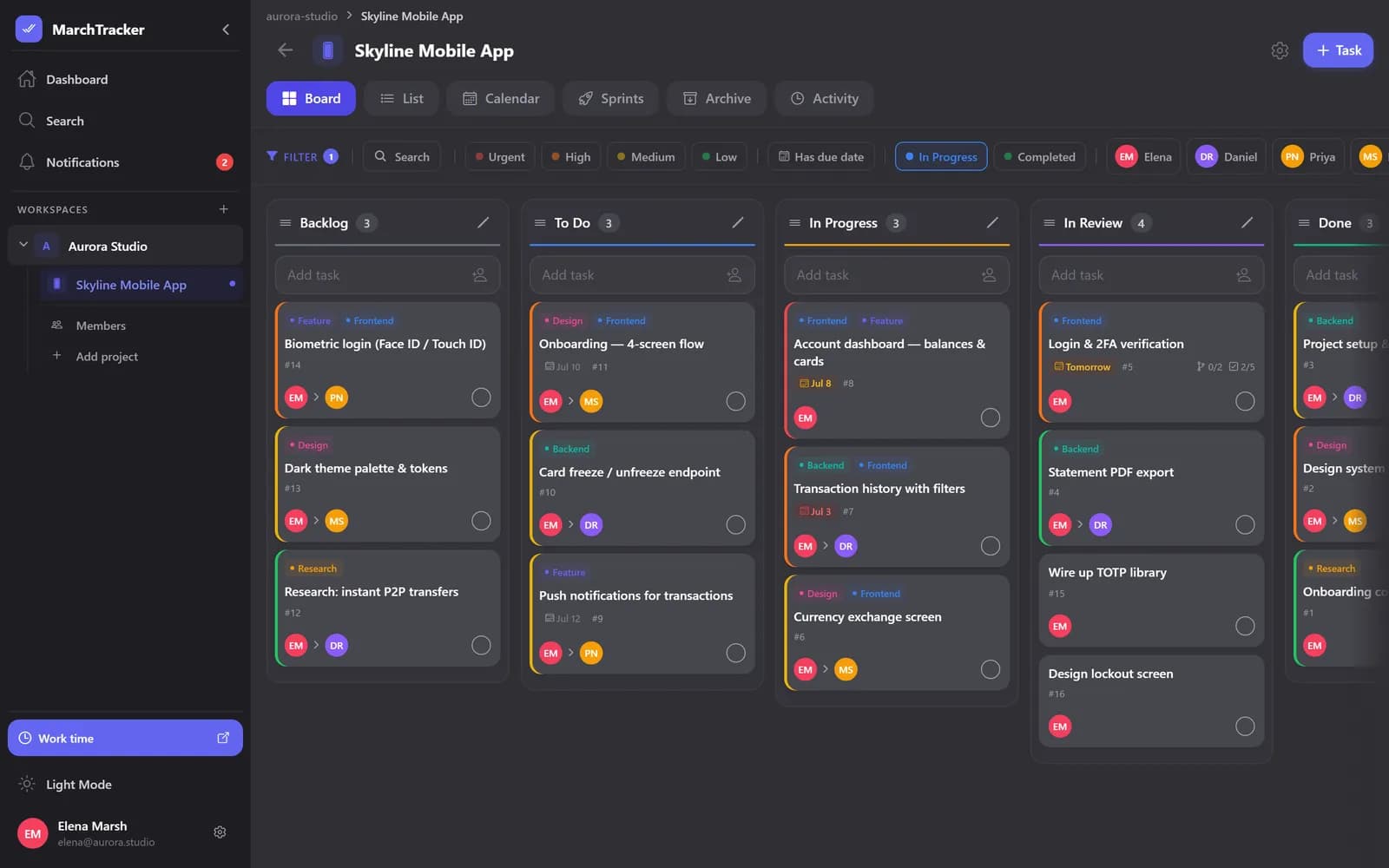
Proof with numbers, not a list of technologies: we designed the ERP/FSM platform for a US field service company on microservices in AWS with SQS queues. It handles 500+ work orders a day, has been in production since 2019 and is run by the same people who designed it. In the payment MVP, the PCI DSS setup handled 10,000+ beta transactions without a single failure. MarchTracker is our own product: Docker and GitLab CI ship each release to iOS, Android and the web from one codebase, so we live on the same pipeline we build for clients.
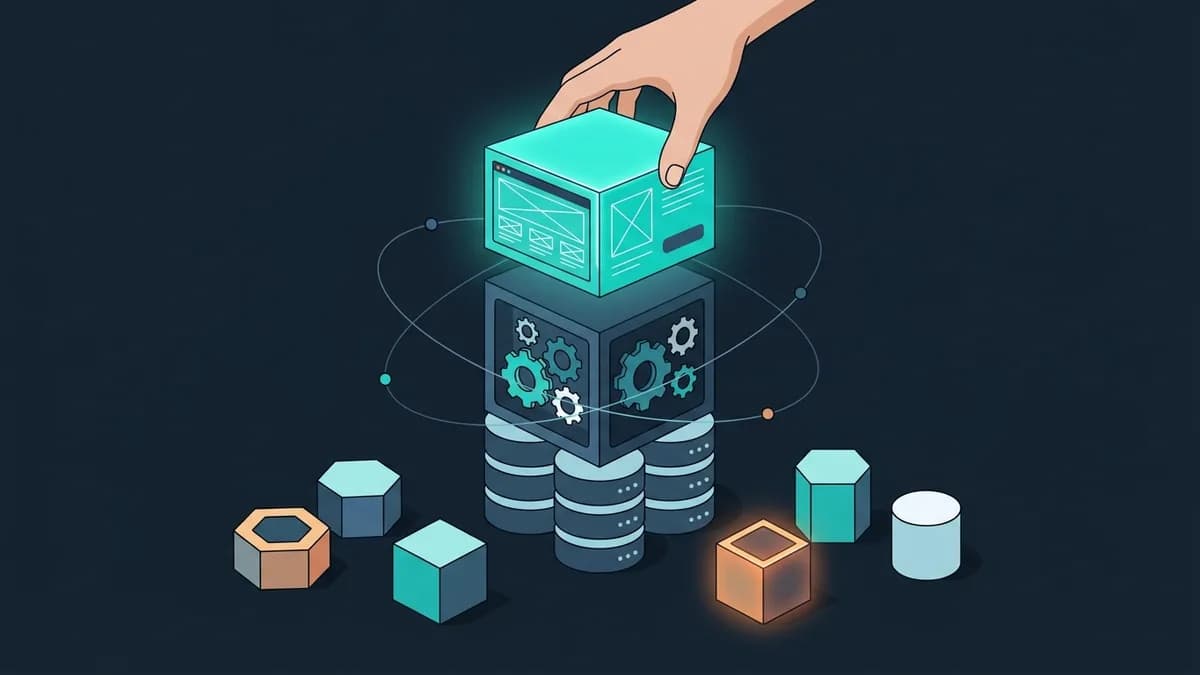
No architecture fanaticism: we'll tell you when you don't need an orchestrator and Docker Compose is enough, whether your data and budget belong in the cloud or on your own servers, and whether the system needs splitting into microservices at all.
Honest alternatives. If you need someone on call every day fixing incidents, that's technical support with an SLA, from $2,900/month. If you need decisions and priorities rather than pipelines, take a CTO as a Service subscription. If you think hiring a DevOps engineer in-house is cheaper, look at outsourcing vs in-house, where both budgets sit side by side. And if the infrastructure is fine and the question is the product itself, that's custom software development.