March Code
Industry

Restaurant App and Software Development

Delivery apps, QR menus and loyalty programs for restaurants and chains. Integration with your POS and online payments. Ordering bot from $1,900.

First step: a chatbot for orders and reservations, from $1,900 in 2 weeks. A delivery app from $11,900.

Key industry metric

15–30%

of every delivery platform order goes to commission. Your own app cuts that to 2–3%

Market data: why we took on this niche
What to know about Restaurants & Hospitality

Delivery has become a big share of restaurant sales in the US and Europe, and a large part of it flows through third-party platforms (DoorDash, Uber Eats, Deliveroo, Just Eat) that take 15–30% of each order. Few independent restaurants and small chains have an app of their own.

We build the digital infrastructure for restaurants and chains: mobile apps with ordering and delivery, loyalty programs with push notifications, QR menus for ordering at the table. We integrate with your POS (Square, Toast, Clover, Lightspeed): your system stays the same but gains new capabilities.

A typical project, a restaurant app with delivery, launches in 2–4 months. It pays for itself in 3–6 months through commission savings and more repeat orders from the loyalty program.

Context

Where the market stands

Size, digital maturity, trends and regulation: the backdrop for your business

Market size

Restaurant tech is a growing segment in the US and Europe, and online ordering and delivery keep taking a larger share of restaurant sales

Digital maturity

Medium. Almost every restaurant runs a POS (Square, Toast, Lightspeed), but few have an ordering app of their own

lowmediumhigh
Trends
  • Restaurants launching their own delivery apps to depend less on the platforms
  • QR menus and contactless service
  • Loyalty programs inside the mobile app
  • AI demand forecasting to optimize purchasing
  • Ghost kitchens as a business model: delivery only, no dining room
Regulation
  • Fiscal receipt rules: certified POS systems in several EU countries (Germany, France, Italy), sales tax reporting in the US
  • Food traceability: the FDA's FSMA 204 rule in the US, traceability under the EU General Food Law
  • Allergen and nutrition information: the EU's 14-allergen rule, FDA calorie labeling for chains with 20+ locations
  • HACCP food safety: required for food businesses in the EU; in the US, state health codes based on the FDA Food Code
Sound familiar?

Industry pains we take away

If you recognize even one, we have something to talk about.

01

Delivery platform commissions eat your margin

Your restaurant is on DoorDash and Uber Eats. Commission: 15–30% of every order. On a $40 order, the platform keeps $6–12. Delivery breaks even at best, or loses money. For a restaurant with serious delivery volume, that's a quarter to a third of delivery revenue gone every month. But switching the platforms off is scary: you'd lose the flow of customers.
What we do

Your own app: ordering, payment, courier tracking. 2–3% in fees instead of 15–30%

02

No loyalty program: customers don't come back

The restaurant doesn't know its customers. No database, no loyalty program. A guest comes once and then goes to a competitor. Marketing is limited to social media and flyers. You can't measure customer LTV or make a personal offer. Winning a new customer costs 5–7 times more than keeping one, and without loyalty, repeat rates sit at 15–20% instead of 40–60%.
What we do

A mobile app with a loyalty program: points, personal discounts, push notifications

03

Chaos at peak hours and mistakes in orders

Friday night: the dining room is full, and orders keep coming from DoorDash, Uber Eats, the phone and the tables. A server writes orders on paper, the kitchen mixes up items, a customer gets the wrong dish. Wait times grow. Every wrong order costs you a remake plus a comp, and at a busy restaurant those losses pile up every month.
What we do

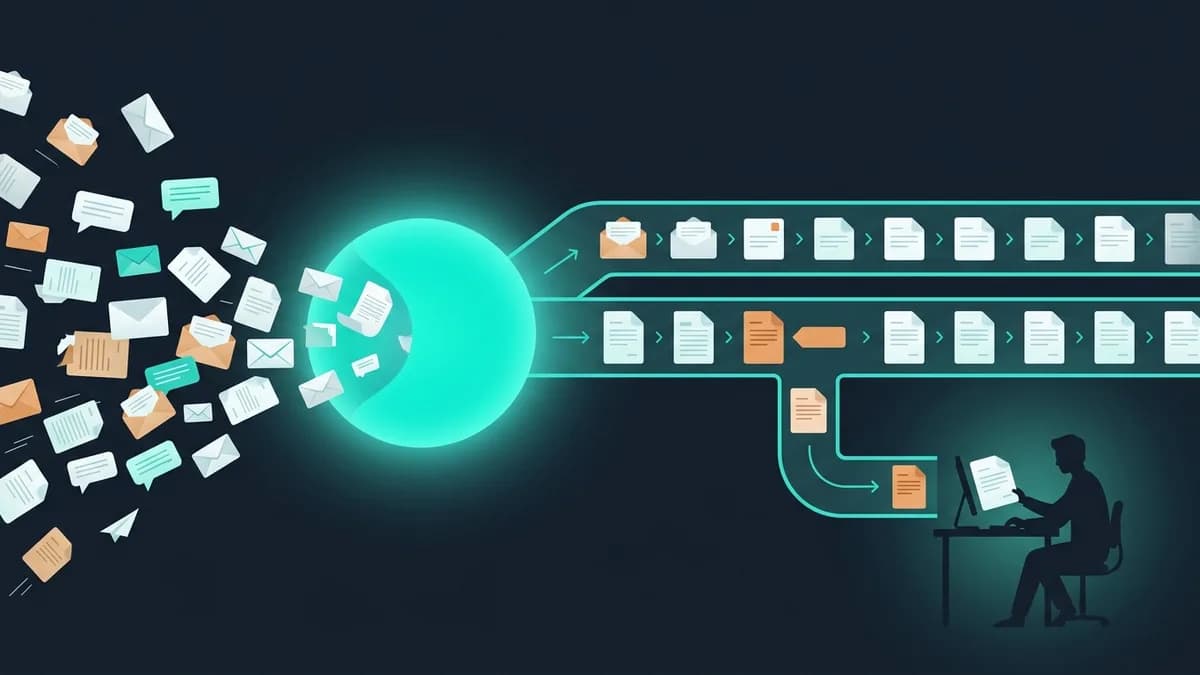
One order intake system: every channel feeds a single kitchen queue with automatic prioritization

04

Food waste and uncontrolled food cost

The chef orders ingredients by gut feel. On Monday, unsold weekend items get thrown out. Actual usage doesn't match the recipe standards. Waste and discrepancies eat 5–12% of food cost, and there's no data to find out why.
What we do

POS and inventory integration: automatic deductions by recipe, actual vs. standard usage, AI demand forecasting

Our approach

Restaurants & Hospitality: what we implement

Key areas with a clear budget, timeline and outcome. The catalog below breaks down each one.

Restaurant mobile app

A customer app: menu with photos, cart, online payment, courier tracking, order history. An admin panel: menu management, delivery zones, promo codes, analytics. POS integration, so orders go straight into your POS.
Commission −80% (2–3% vs 15–30%)Repeat orders +40%Average ticket +15%
Budget
from $11,900
Timeline
from 8 weeks

Loyalty program and CRM

Points for orders, loyalty tiers, cashback, a refer-a-friend program. Personalized push notifications based on preferences, automatic greetings, audience segmentation. POS integration to track purchases.
Returning guests +40–60%Customer LTV +30%Push conversion 8–15%
Budget
from $9,900
Timeline
from 8 weeks

QR menu and ordering at the table

A guest scans the QR code on the table, sees the menu with photos and descriptions, places an order and pays without waiting for a server. The order reaches the kitchen instantly. For the restaurant: a leaner floor staff and faster service at peak hours.
Service time −40%Average ticket +20%Waitstaff needed −30%
Budget
from $11,900
Timeline
from 4 weeks
15–30%

Of platform commission stays with you

+25%

Average ticket in the loyalty program (Vashi Lyudi case)

50,000+

Members in 6 months with no paid ads (same case)

2weeks

To an ordering and reservation bot

We don't have a case study in your exact niche yet

And we'll say so plainly instead of passing off another industry as yours. Technically, your task is already solved in a neighboring niche: bookings, reminders, customer retention and lead handling work the same way. You can test us on your own task for free, before any contract.

We work through your industry's specifics with you on a call, not through other people's case studies: 30 minutes, no obligation. In 3–5 days we build a demo on your task, using your recordings, your price list and your customers' questions.

What happens in the first two weeks

You can test us for free, before you pay a cent. It works the same way for any task in Restaurants & Hospitality.

  1. Day 0

    A 30-minute conversation

    We go through the process that hurts most and name the budget range out loud. No money changes hands at this step.

    1
  2. Days 1–5

    A working demo on your task

    Not a slide deck: a clickable prototype or a live bot you can open on your phone and show your team. If you don't like it, we part ways and you keep the materials.

    2
  3. Day 2 after the brief

    A fixed quote by stage

    Fixed in the contract. Not “approximately” and not “we'll clarify as we go”.

    3
  4. Weeks 2–4

    The first paid stage

    You pay for a specific result. The next stage doesn't start until you've accepted the previous one.

    4
  • Demo before any contract or prepayment
  • The quote is fixed in the contract
  • Payment in stages, not all at once
  • Code in your repository from day one
  • 3 months of warranty after launch
  • We'll tell you when you don't need it
FAQ

Frequently asked questions

The essentials about working in this industry, short and to the point

We don't sell "the whole project" up front. We sell steps, and you can stop at any of them. Each one gives you a working tool.

  • A demo on your task: free, 3–5 days. A clickable prototype or a working bot before any contract or prepayment.
  • Your first tool: a chatbot built around your scenario, from $1,900 in 2 weeks.
  • AI chatbot for a restaurant: $3,500–8,500.
  • Food delivery app: from $11,900.
  • Online grocery store: from $22,900.

A full setup with every module and integration adds up to $35–90K, but you never pay it in one go: you pay in 2–4 week stages, each for a concrete result. The quote is fixed in the contract within 24 hours of our call.

For comparison: one in-house developer costs from $10,000/month with taxes, and you still have to find one.

Ready to automate your restaurant?

Name one process that currently runs on people and paper. In 30 minutes we'll go through it, in 2 days you'll get a fixed quote, and in 3–5 days a working demo on your task. Free, before any contract or prepayment.

First step: a chatbot for orders and reservations, from $1,900 in 2 weeks. A delivery app from $11,900.

A clickable Mini App in your Telegram in 5 days, free

Turnkey Mini App from $4,900, prototype free

Prices are indicative and not a binding offer.

We build a prototype of the key screens (catalog or account, cart, payment) and send you a link to a test bot. Open it on your phone right in Telegram, before any contract or prepayment.

Step 1 of 2 · Task

Send a link to your bot or catalog on Telegram, no form

30 minutes · free · no obligation